Civil Rights Attorneys in Massachusetts
Civil rights attorneys handle cases where government officials — including police officers, correctional staff, and other public employees — violated your constitutional rights. These cases are most commonly brought under 42 U.S.C. § 1983, the federal law that allows individuals to sue state and local government officials personally for constitutional violations. Whether you were beaten, falsely arrested, denied due process, or targeted because of who you are, a civil rights attorney can help you hold the government accountable.
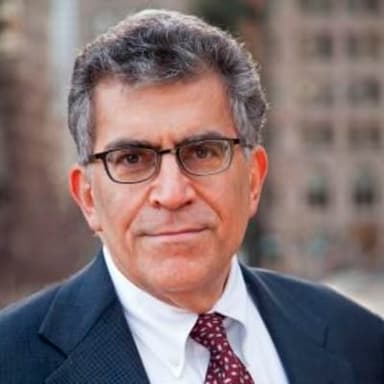 Law Firm
Howard Friedman
The Law Offices of Howard Friedman, P.C. is a Boston-based civil rights law firm with decades of experience representing individuals whose constitutional rights have been violated by law enforcement and government offici... Read More →
 Nonprofit
Lawyers for Civil Rights
Lawyers for Civil Rights (LCR) is a Boston-based nonprofit legal organization with roots stretching back to 1968, when it was founded in the aftermath of the assassination of Dr. Martin Luther King Jr. by a coalition of ... Read More →
 Law Firm
Zalkind Duncan & Bernstein, LLP
Zalkind Duncan & Bernstein, LLP is a Boston-based civil rights and criminal defense law firm with a longstanding reputation for holding government actors and law enforcement accountable. Founded by attorneys with deep ro... Read More →
State Filing Deadlines & Legal Limits
For general reference only — not legal advice. Deadlines may vary based on facts and should be verified with an attorney.
Mass. Gen. Laws ch. 260, § 2A
Federal § 1983 civil rights claims borrow the state personal injury statute of limitations.
Mass. Gen. Laws ch. 258, § 4
A presentment of claim to the executive officer of the public employer is required. The public employer then has 6 months to act before suit may be brought.
An Act Relative to Justice, Equity and Accountability in Law Enforcement (2020) — Mass. Gen. Laws ch. 6E
Massachusetts enacted landmark police accountability legislation in 2020 establishing a Peace Officer Standards and Training (POST) Commission and expanding accountability mechanisms. The federal QI doctrine continues to apply to § 1983 claims, but state-level reforms have broadened oversight.